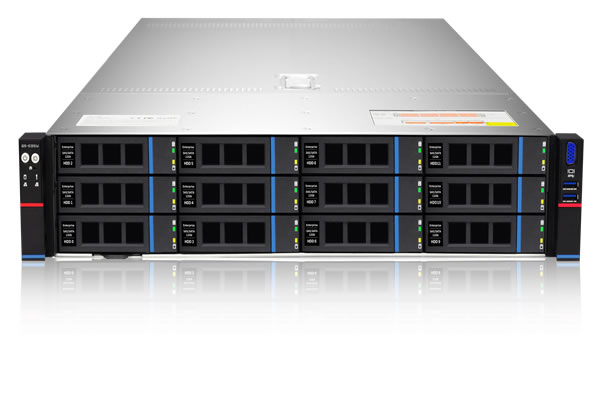
in the globalized internet environment, the geographical location of the server has an important impact on the performance and user experience of the website. japanese server addresses have become the choice of many businesses and individuals due to their unique geographical location and advanced network infrastructure. this article will delve into what a japanese server address is and its important role in network configuration.
definition of japanese server address
japanese server addresses usually refer to the ip addresses used by servers located in japan. these addresses can be in ipv4 or ipv6 format and are usually assigned by internet service providers (isps) in japan. due to japan's innovation and development in the field of information technology, its servers not only have high-speed network connections, but also have good stability and security.
advantages of japanese server addresses
the main advantage of choosing a japanese server address is its fast access speed and low latency. for businesses targeting the japanese market, using local servers can significantly improve user experience, reduce page load times, and thus increase conversion rates. in addition, japan's network security measures are relatively complete, which can effectively prevent network attacks and protect user data.
the role of japanese server address in network configuration
in network configuration, the role of the japanese server address is mainly reflected in the following aspects: first, it can improve the access speed of the website. for websites that want to expand their business in japan or the asia-pacific region, choosing a server in japan can effectively shorten the data transmission time. secondly, local servers can improve the search engine optimization (seo) effect. search engines tend to give priority to displaying server content in local areas, thus improving the local search ranking of the website. finally, using a japanese server address can also help meet local laws and regulations and avoid legal risks arising from data transmission.
how to choose the right japanese server
there are several factors to consider when choosing a japanese server. the first is the stability and speed of the server. choosing a well-known service provider can ensure higher reliability. secondly, you need to pay attention to the quality of technical support to ensure that you can get help in time when you encounter problems. in addition, server security is also an important consideration, especially for websites that handle sensitive data. finally, comparing user reviews and terms of service of different service providers can help you make a more informed choice.
summary and suggestions
japanese server addresses play a vital role in network configuration. its fast access speeds, superior security, and positive impact on seo make it ideal for businesses and individuals worldwide. choosing a suitable japanese server can not only improve website performance, but also enhance user experience and improve business competitiveness. it is recommended that when choosing a service provider, you should conduct in-depth research on its technical support, server performance and user feedback to ensure the best service experience.
- Latest articles
- How To Evaluate The Provider's Line Stability When Choosing A Hong Kong CN2 Cloud Host
- Interpretation Of The Impact Of Hong Kong Native IP Segments On Cross-Border Advertising Targeting And Regional Rules
- Key Points For Evaluating Network Quality And Service SLA Of Taiwanese Native IP Cloud Servers By Suppliers
- Common Specifications Of Singapore VPS CN2 Comparisons For Bandwidth And Hardware Configuration Selection
- Marketing Statement: Choosing This Server To Set Up In The United States Brings Business Expansion And Increased Trust
- Comprehensive Analysis Report On Malaysian CN2 Operational Quality And Tri-network Interconnection Effectiveness
- Technical Depth: How Hong Kong Cloud Servers Perform In Container And Microservices Scenarios
- How To Use Hong Kong VPS Cloud Servers To Improve Website Access Speed In The US Stock Market
- Discussion On The Auxiliary Role Of Native Residential IPs In Vietnam In Improving Local Search Engine Indexing
- CN2 Line Japan: Advantages And Real-World Cases In Asian Interconnection
- Popular tags
-

Optimization For Connecting From Abroad To Home Country: Practical Configuration Guide For Japanese CN2 VPS
A practical configuration guide for Japanese CN2 VPS servers for overseas users, focusing on key points for optimizing connections from abroad back to home, purchasing considerations, practical network and acceleration configurations, as well as testing and monitoring methods to help ensure stable and fast access from abroad. -

Discuss The Servers And Stability Commonly Used By Japanese Chicken Players
discuss the servers and stability commonly used by japanese chicken players, and analyze the advantages and disadvantages of different servers and their impact on the game experience. -
How To Successfully Enter Japanese Servers In Dota 2
this article provides you with "how to successfully enter japanese servers in dota ii", covering how to choose a vpn, setting steps and precautions, and help players to successfully enter japanese servers.